CAK Issues Warning to Oil Marketers Over Fuel Hoarding Fears
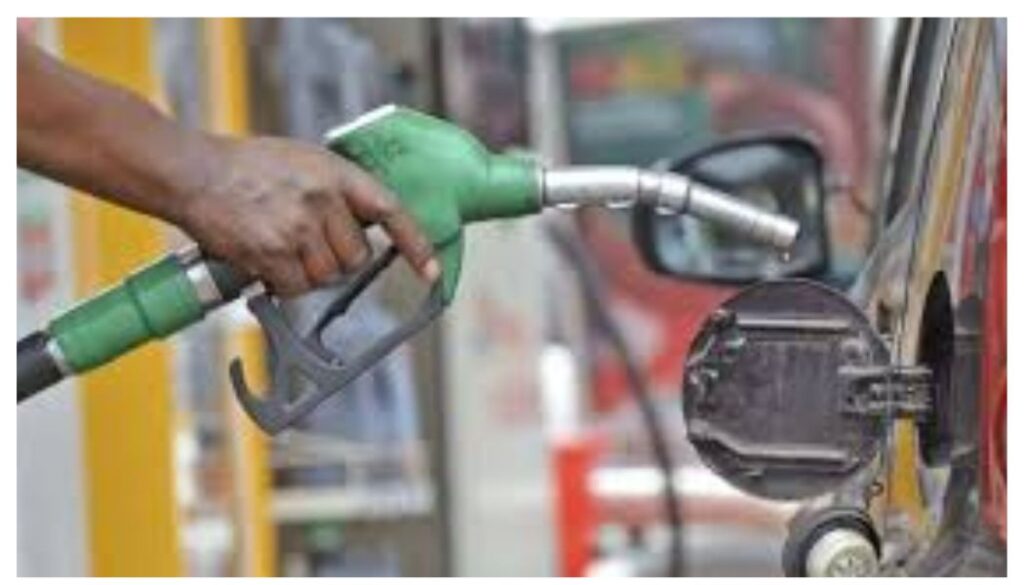
Competition Authority of Kenya (CAK) has issued a strong warning to oil marketing firms over suspected fuel hoarding and other practices
The Competition Authority of Kenya (CAK) has issued a strong warning to oil marketing firms over suspected fuel hoarding and other practices that could interfere with fair competition in the country’s petroleum sector.
In a statement released on April 10, 2026, the regulator said it is closely monitoring concerns raised by the public regarding the availability of key petroleum products nationwide.
These include petrol, diesel, kerosene, and Jet A-1 fuel, all of which are essential to Kenya’s economic activities.
According to CAK, recent discussions and reports suggest that there may be irregularities in how fuel is being supplied and distributed.
The Authority noted that it is also aware of statements from industry associations representing oil marketing companies, which have contributed to growing speculation about supply disruptions.
The regulator stressed that fuel is a vital commodity that supports transport, manufacturing, aviation, and other sectors.
As such, any attempt to interfere with its steady supply could have far-reaching consequences for businesses and consumers alike.
CAK cautioned all players in the fuel supply chain—including suppliers, distributors, and retailers—against engaging in conduct that could artificially create shortages.
In particular, the Authority warned against deliberate withholding of fuel stocks from the market. It stated that such actions, if proven, would amount to anti-competitive behavior aimed at manipulating prices or gaining an unfair advantage over competitors.
CAK emphasized that these practices are strictly prohibited under Kenyan law.
The regulator also raised concerns that some companies might be limiting supply to independent or non-franchised retailers while anticipating possible increases in fuel prices. Such behavior, it said, could distort market dynamics and disadvantage smaller players who rely on fair access to supply.
CAK pointed out that these actions would contravene provisions of the Competition Act designed to protect market integrity. One such provision is Section 21(1), which prohibits agreements or coordinated actions that prevent, restrict, or distort competition in the trade of goods and services.
The Authority explained that any arrangement that limits supply or unfairly excludes certain market participants would fall under this category.
Additionally, the regulator cited Section 57 of the Act, which addresses unfair business conduct. This section prohibits exploitative or unconscionable practices in transactions involving the supply of goods and services. CAK noted that denying fuel to certain retailers without valid justification could be interpreted as such misconduct.
To deter violations, CAK reiterated that strict penalties are in place for firms and individuals found guilty of anti-competitive practices.
Companies may face financial penalties of up to 10 percent of their annual gross turnover in Kenya. In more serious cases, individuals involved could face criminal charges, including fines of up to KES 10 million or imprisonment for a term of up to five years.
The Authority’s Director-General, David Kemei, affirmed that the agency is taking the matter seriously and will not hesitate to act where necessary.
He added that CAK is working closely with the Energy and Petroleum Regulatory Authority (EPRA) to keep a close watch on the situation and ensure compliance across the sector.
As concerns over fuel availability persist, CAK has urged all stakeholders to adhere to fair competition practices and maintain transparency in their operations. The regulator emphasized that protecting consumers and ensuring a stable supply of essential commodities remains a top priority.