Uniting Africa at the UN: Kenya Pledges Reform and Enhanced International Influence
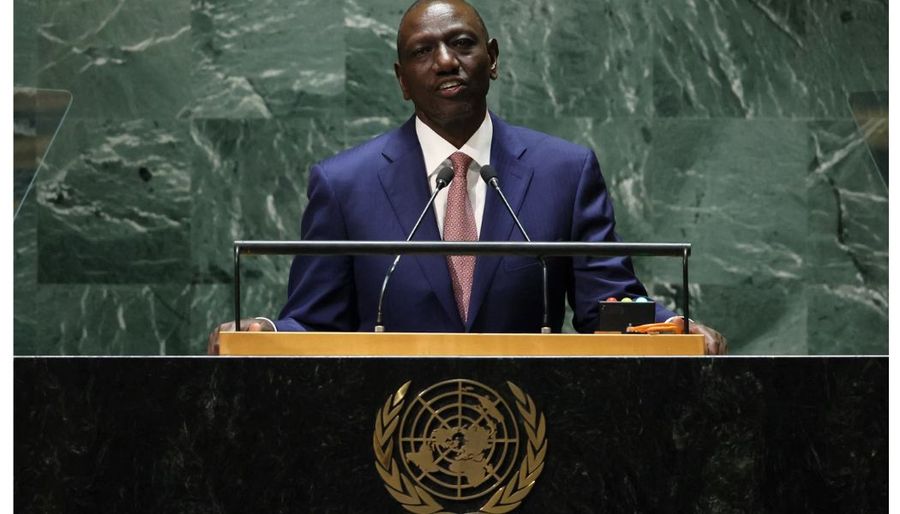
Kenya has taken the official chairmanship of the African Group in the United Nations (UN) in the month of November and this is a big milestone towards its efforts to put together a greater influence by Africa in the world in making decisions. The change occurred in New York at officiated ceremony at the African Union (AU) Mission with Guinea-Bissau ceding the baton to Kenya.
Ambassador Ekitela Lokaale (Permanent Representative of Kenya to UN) will be the chair, with Deputy Permanent Representative Yabesh Monari as the support. Ambassador Mohamed Edrees, the Permanent Observer of the UN to the AU also attended the event.
In his inaugural address, Amb. Lokaale reiterated Kenya desire to promote unity and cohesion among 54 African member states of the UN system. He had stressed that solidarity among the Africans was instrumental in making the continent heard and listened to in the international scene.
He said it was an honour and a duty to take over the chairmanship of the African Group and give credit to his predecessors who had scaled a good foundation. We will maintain a strong sense of solidarity and consensus-building in the African Group as we gear up towards our major global events, such as the Second World Summit on Social Development in 2025 and the COP30 climate conference, during the tenure of Kenya.
The Priorities of a Platform on Africa.
The African Group acts as the main diplomatic bloc representing the African interests in the UN, organizing a general standpoint on various issues, including peace and security, sustainable development, international health, climate finance, and reforming the institution. This role of the group is especially important in an era when international relations are characterized by the changing alliances between geopolitical powers, the emergence of climate crises, and the increasing demands to change the global governance systems.
The new leadership role of Kenya offers Nairobi a chance to enhance the priorities of the continent especially where the diplomatic agenda of Africa has always been a priority. Top in this list is the reform of the UN Security Council- an agenda that aims at giving Africa a permanent representation and a more powerful voice in the world security institution.
Over the decades, African countries have claimed that the Security Council as it currently exists is not representative of the realities of the 21 st century. The continent contributes almost one-third of the UN membership and where most of its peacekeeping missions are based, but still the continent is not a member of permanent membership in the council. Kenya as the chair is likely to bring back this long standing issue to be discussed once again as part of the wider vision of Africa in the Ezulwini Consensus and Sirte Declaration that urge fairer representation.
Kenya’s Diplomatic Vision
The assumption of this role by Kenya takes place at a time when the government of President William Ruto has made multilateral diplomacy and South-South cooperation one of its foundations of foreign policy. Nairobi has come to play an even stronger role as a regional center of diplomacy hosting important peace talks and leading in Africa-based solutions to conflicts in the Horn of Africa, Great Lakes, and Sahel regions.
During the Ruto regime, Kenya has also become an ardent champion of international financial reform and climate justice, demanding a more fair system that acknowledges the fragility of Africa but helps it to achieve sustainable economic development. The African Group chairmanship will offer a platform through which these ambitions can be enhanced to enable Kenya to forge alliances that will strengthen the bargaining strength of Africa in global arenas.
Looking Ahead
As a chair Kenya will be leading the united front of Africa towards the next global summits, such as climate conferences and development talks. The nation will also be at the forefront in aligning African stances on peacekeeping reforms, conflict prevention and implementation of the Sustainable Development Goals (SDGs).
The tenure of Kenya will probably be measured by how well it is able to enhance unity amongst member states and make Africa have a united voice on burning international issues. As the international community starts to pay more attention to the problems of climate finance, global inequality, and governance reform, the cohesion of the African Group, and Kenya in particular, will play a key role in determining the results that are in line with the expectations of the continent.
By playing this leadership role, Kenya is not only improving its diplomatic status but also strengthening the African collective achievement of a more inclusive, equitable, and reformed world order.