Negotiations Break Down: Obado Plea Deal Hits Snag Between EACC and DPP
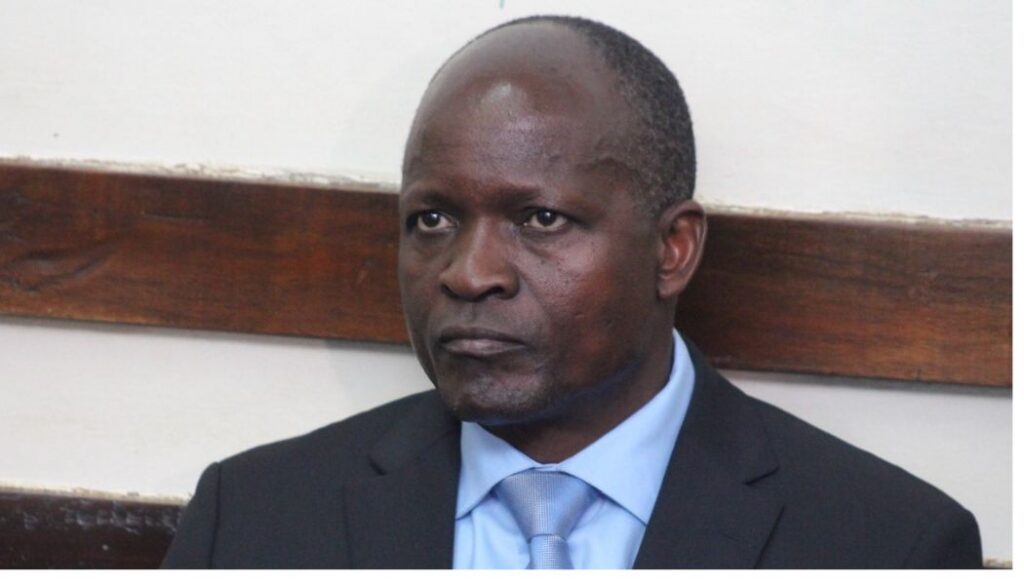
The attempts by the Ethics and Anti-Corruption Commission (EACC) to enter into a plea bargain with former Migori Governor Okoth Obado have collapsed, and the Anti-Corruption Court has to mediate the negotiations between the two organizations.
The stalemate arose when the two agencies could not agree on the conditions and the legality of an offered plea bargain in the corrupt case involving Obado.
The now contentious issue is whether or not the deal as discussed by DPP, is within legal standards as required.
At one of the sittings before the Anti-Corruption Court, the EACC officials told the ruling judge that there was a meeting between the DPP and the office of the DPP on October 30, as ordered by the court.
The negotiations were, however, terminated with no agreement as the parties differed on the way in which to understand the previous guidance of the court on the pleasure process.
This court has raised our reservations concerning the plea bargain. Nevertheless, we agreed to have an additional negotiation so that the agreement would not be against the law.
However, unfortunately, these negotiations failed, an EACC representative told the court.
The EACC asserted that some of the clauses in the proposed deal were not in line with the law provisions on plea bargains and requested the court to study the content of the draft DPP.
According to the commission, the issues of contention could only be resolved through a court ruling that would set the terms on which any agreement in the future would be adhered to in every aspect required by the statute.
The defence team of Obado supported the EACC and confirmed that the meeting of the 30th of October actually occurred, but had not been fruitful at all.
I attest to having made a meeting with the DPP office on the 30th and agree with the stand that is taken by the EACC.
One of the defence attorneys of Obado said, we hope there will be a ruling or a decision on the way parties ought to go.
A second defense attorney who defended the accused pleaded that the communication breakdown was caused by the fact that one had a different understanding of the law that governs plea bargains.
This is an implication that although the parties were willing to settle the matter through a negotiated settlement, they were unable to come up with the scope or implications of the legal provisions under which such settlements are to be made.
The charges against the former Governor Obado are based on the corruption claims that are associated with the embezzled county funds under his rule as the Governor of Migori.
He is charged together with some of his co-accused people, who are county officials and business partners, who are accused of having embezzled millions of shillings of funds through fraudulent tenders and irregular payments.
The dispute between the EACC and the DPP makes this case even more complex than it was previously.
Although plea bargains are seen as a legal provision in Kenya, they have to be followed under the requirement of procedural fairness, transparency, and the court.
After the breakdown of the negotiations, the court set a hearing date of December 8, during which it will decide on the way forward in matters concerning the challenged plea bargain application.
It is believed that the ruling may shed light on the functions of EACC and DPP in plea bargaining and lay down the way in which similar cases may be conducted in future cases of corruption.