
Treasury Moves to Quash Currency Manipulation Claims
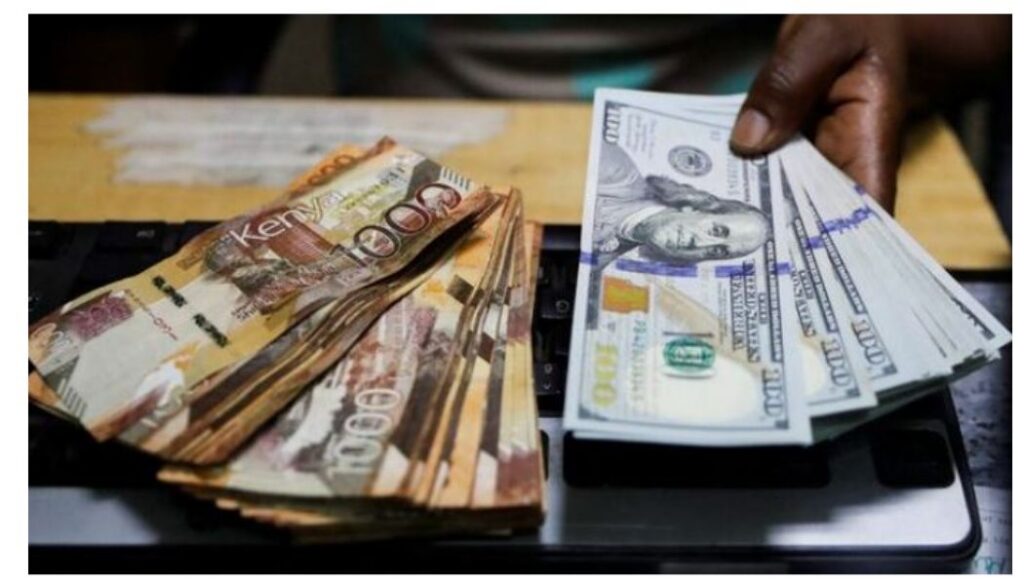
The National Treasury has denied the claims that the government is manipulating the Kenyan currency, and it argued that with its recent stability, it is merely indicative of good economic fundamentals and a boosted investor confidence.
When talking on Wednesday, November 5, in a meeting with Swedish Ambassador to Kenya Hakan Akesson, Treasury Cabinet Secretary John Mbadi pointed out that the upward performance of local currency is supported by sound fiscal policies and policy reforms.
The Kenyan shilling is the strong performer of the Kenyan currency that is attributed to good macroeconomic custodianship and increased trust in the economic path followed by the economy, according to a statement made at the end of the meeting at the Treasury Building in Nairobi by the Treasury.
The constant performance of the shilling as described by Mbadi was due to a combination of the policy and market forces, such as greater inflow of foreign exchange by Kenyans outside the country, the export earnings, and the diversification of the forex sources.
The Treasury reports that in recent months, the diaspora remittances have increased by no less than eight percent, and export earnings have increased in major sectors like agriculture and manufacturing.
He further emphasized the effect of the government-to-government (G-to-G) oil import contract, where Kenya is able to purchase petroleum products free of the U.S. dollar alone.
The set-up, Mbadi observed, has minimized strain on the foreign exchange reserves of the country and eased the shilling.
The Treasury statement continued by saying that these reforms have helped to relieve the foreign currency demand and helped create a more sustainable environment of the exchange rate.
Another issue raised during the meeting with the Swedish envoy was to enhance bilateral trade and investment relations, and the topics of renewable energy, infrastructure development, and cooperation in technologies were discussed. The statements by Mbadi are presented when there is speculation on the stability of the Kenyan currency.
Perception checking by some critics has been that the government has been aiding the shilling by making behind-the-scenes interventions. But the Treasury officials argue that the currency has been resilient due to the intentional and open economic reforms and not to manipulation.
This is not the first instance where the Treasury boss has discussed the issue of government policy and economic management. In July, Mbadi justified the action of the government to raise the fuel levies after the people complained of the rise in fuel prices.
He explained at the time, the Road Maintenance Levy Fund (RMLF) of Ksh18 per litre that was in place was not eliminated, adding that the money is still utilised in the maintenance of the roads.
He said that the extra Ksh7 added to the levy was used to settle debts to road contractors, and most of them had stalled due to unpaid bills amounting to Ksh130 billion.
He said that they decided to use the extra money to settle outstanding bills to allow contractors to resume operations and the infrastructure projects to continue. Mbadi said that this was a viable measure to bail out stalled projects and not to put a strain on the fiscal budget of the government anymore.
The Treasury believes that with policy discipline, fiscal prudence and reforms that seek to expand forex sources, the economy is on a good track in Kenya, and the current performance of the shilling is evidence of that trust.