UDA Dismisses Reports of Powerful Oil Cartel Penetration
United Democratic Alliance (UDA) has strongly dismissed allegations that powerful cartels have infiltrated the country’s oil importation system
The United Democratic Alliance (UDA) has strongly dismissed allegations that powerful cartels have infiltrated the country’s oil importation system, describing the claims as misleading and politically motivated.
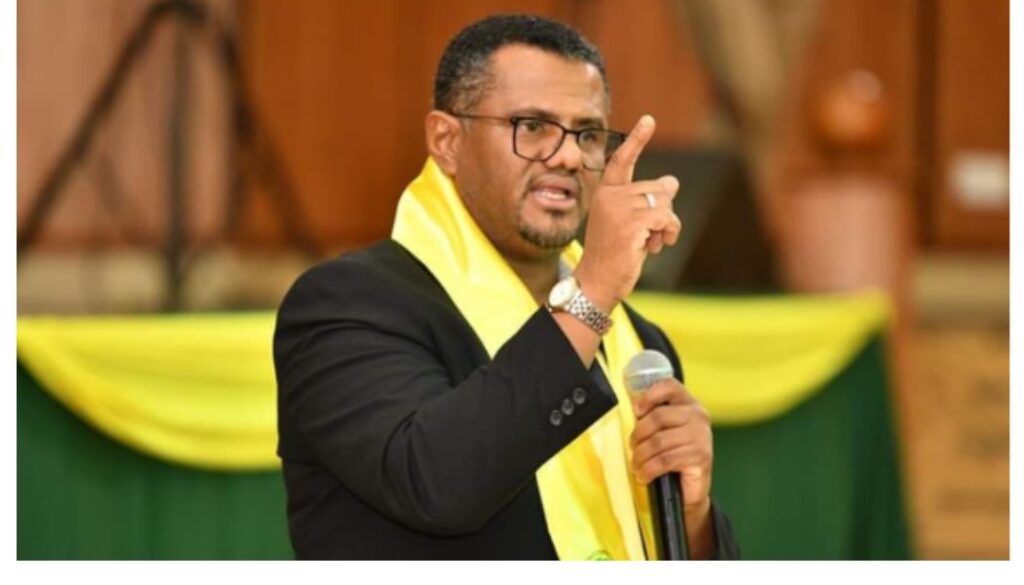
In a statement issued on Monday, UDA Secretary General Omar Hassan rejected assertions circulating from opposition figures that senior government officials were complicit in a fraudulent fuel importation scheme.
He argued that such accusations were not grounded in evidence, but rather aimed at gaining political mileage from a sensitive national issue.
Hassan further criticized Rigathi Gachagua, leader of the DCP party, alongside Kiharu MP Ndinda Nyoro, urging them to refrain from what he termed as inaccurate and poorly informed public remarks.
According to him, their statements demonstrated a lack of sufficient understanding of both policy and the broader economic implications of the oil importation framework. He emphasized that discussions on such a critical matter should be guided by facts and informed analysis rather than speculation.
The controversy follows claims by Gachagua suggesting that recent arrests of officials in the Energy Ministry were linked to a breakdown in the Government-to-Government (G-to-G) oil import arrangement.
He alleged that certain officials had deviated from the established framework, thereby undermining the agreement and disadvantaging the administration of President William Ruto.
However, UDA has maintained that the situation is being misrepresented.
The party stated that the alleged scheme involved attempts to import several consignments of fuel at significantly inflated prices—estimated to be between Ksh. 50 and Ksh. 80 higher than those secured under the G-to-G arrangement. Such actions, if left unchecked, could have placed immense pressure on the economy by driving up fuel costs and triggering widespread inflation.
The ruling party reassured Kenyans that there is no imminent increase in fuel prices, adding that the government has already implemented adequate safeguards to prevent the entry of substandard or overpriced petroleum products into the market.
These measures, according to UDA, are designed to protect consumers and maintain economic stability despite ongoing global uncertainties, including tensions affecting oil supply chains.
At the same time, the party called for a swift and thorough investigation into the matter.
It specifically urged authorities to examine the claims made by Gachagua and to take appropriate legal action should any wrongdoing be established.
UDA stressed the importance of accountability across the board, noting that all individuals—regardless of political affiliation—must be held responsible if found culpable.
Among those arrested in connection with the issue are Energy Principal Secretary Mohamed Liban, Joe Sang of the Kenya Pipeline Company, and Daniel Kiptoo from the Energy and Petroleum Regulatory Authority (EPRA).
The officials are accused of bypassing the G-to-G import system by sourcing fuel through an alternative channel, contrary to established procedures.
President Ruto has since taken a firm stance on the matter, warning that individuals or groups attempting to exploit the situation for personal gain will face severe consequences.
He reiterated the government’s commitment to eliminating cartels within the oil and petroleum sector, particularly those seeking to benefit from global crises such as instability in the Middle East.
The President underscored that his administration will not tolerate corruption or manipulation within the energy sector, vowing to safeguard the interests of ordinary Kenyans.
He affirmed that decisive action will be taken against anyone found engaging in practices that could disrupt the economy or unfairly burden citizens through inflated fuel prices.