
KFS Denies Allegations Over Menengai Crater Land Ownership
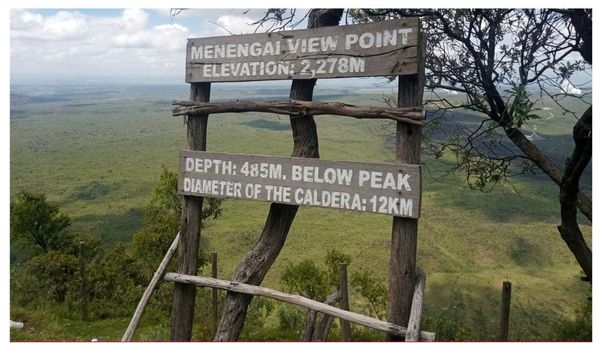
KFS Refutes Menengai Crater Land Grabbing Allegations, Explains the Ongoing Conservation Process.
The Kenya Forest Service (KFS) has taken to reject rampant claims that part of the Menengai Crater in the Nakuru County has been taken over by private developers. In an elaborate statement issued on Saturday, the agency made it clear that the land in question is not within the official boundaries of the gazetted Menengai Forest Station, and no part of the conserved forest has been allotted or encroached.
As per the statement, KFS surveyors have ensured that the boundaries of the Menengai Forest are strict and well-defined.
The agency underlined that the announced assertions were deceptive and that whatever people are witnessing in the region is an officially approved conservation project and not illegal land transactions.
The Kenya Forest Service would like to refute rumors that have been spread in social media stating that land was being grabbed in the Menengai Crater area.
In response to this, KFS confirms that none of the gazetted Menengai Forest has been usurped.
There is a clear demarcation of the forest boundaries, which are intact as confirmed by KFS surveyors. The land under consideration is not within the gazetted forest boundary,” it said.
KFS clarified that the current processes, which some had deemed as unlawful action, are involved in the Menengai Forest Fencing Project, which is a legal conservation initiative funded by the African Development Bank (AfDB) as part of the GreenZones Development Support Project Phase II.
The project will consist of fencing an area of about 55 kilometers that will cover a total of 6,014 hectares of forest to conserve the ecosystem as well as strengthen the forest.
KFS had also, prior to the commencement of the project, undertaken exercises of public participation and consultation with the stakeholders to make the process transparent and inclusive.
The agency emphasized that all the required environmental and procedural clearances were acquired according to the conservation laws and regulations. The continuing Menengai Forest Fencing Project is a valid conservation project.
Public participation processes, stakeholder consultations, and other required procedures that would make the preparation of the investment otherwise transparent and inclusive were followed, and KFS reiterated. The agency also observed that the Menengai Forest is important in supporting the surrounding environment, economy, and community welfare. It is a great water catchment zone, biodiversity hub and ecotourism destination, which is beneficial to the people living in the region.
KFS reported that a number of long-term advantages will be incurred as a result of fencing the project, such as mitigating illegal encroachment, forest fire, and enhancing the safety of visitors who visit the crater and the surrounding landscape.
Protection of the forest is also likely to contribute to maintaining the rising status of Nakuru as the major center of nature-based tourism and renewable energy sources development.
The agency asserted that the fencing program boosts the protection of forests and discourages encroachment, as well as improves safety to tourists and other people living around the parks.
KFS further requested individuals in the society to be alert and report any suspicious or possible encroachment along forested regions to the closest KFS office.
It reaffirmed that it has zero tolerance to land grabbing and all gazetted forests in the country are under the protection of the state and managed by the Forest Conservation and Management Act, 2016.
The statement ended with the statement that KFS rejected all claims of land grabbing and that the company remained very committed to conserving and protecting the Kenyan public forests.
It is not the first occasion KFS has received a social fear regarding their operations in forested areas.
In May 2025, the service had temporarily halted the development of a bush eco-camp in the Ngong Road Forest Sanctuary block, after being called to task due to an outcry of environmental damage.
In that case, KFS explained that the location of the project was not in an area where there were native trees but in an open grass or glade in the forest.
The Kenya Forest Service seeks to convince Kenyans that the Menengai Crater and other gazetted forests are, in fact, fully secured, and that any development that may be happening is neither geared towards conservation erosion but to improve it.