
Body Organs You Can Lose and Still Stay Alive
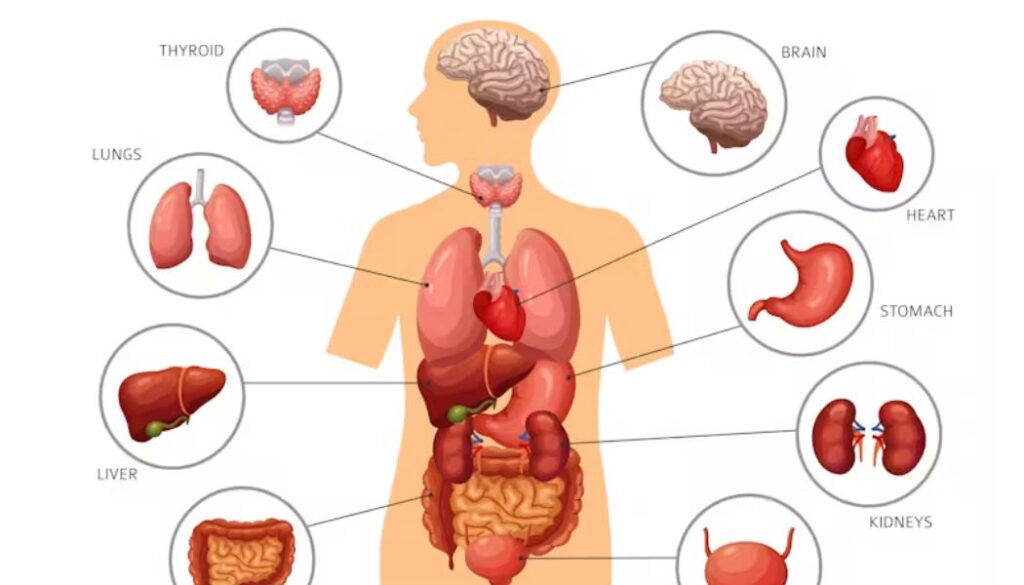
10 Body Organs You Can Lose and Still Stay Alive
The human body is often likened to a complex machine, where each organ has a unique function to keep us alive and healthy.
Most organs perform important functions, but medical science has demonstrated that some are not strictly necessary for life.
In many cases the body is able to adapt itself in an extraordinary way if some organs have been removed due to disease, injury or medical treatment.
There are a lot of organs that can be taken out with no interference with a person’s living a full and productive life.
Here are ten internal organs people can live without, and how the body compensates for their loss.
1. Appendix
The appendix is a small tube-like pouch connected to the large intestine. For years, scientists thought it had no real purpose and was just a remnant of human evolution.
New research suggests that the appendix may have a role in supporting the immune system and acting as a storage place for beneficial gut bacteria. But it is not necessary for survival though it may have these possible roles. Appendicitis, which is inflammation of the appendix, is often treated by surgically removing it. Millions of people around the world have had appendectomies and live normal, healthy lives with no apparent long-term effects.
2. Tonsils
The tonsils are located in the back of the throat and are part of the body’s immune defense system.
Their job is to trap bacteria and viruses before they reach deeper into the respiratory tract.
But tonsils can themselves get infected over and over again, leading to chronic tonsillitis. In these cases, doctors may suggest a tonsillectomy — the surgical removal of the tonsils.
They do give immune protection but other parts of the immune system can take up the slack. People can live perfectly normal lives without them, and often do after surgery.
3. The Spleen
The spleen is located in the upper left side of the abdomen and performs several important functions.
Your spleen filters your blood, gets rid of old or damaged red blood cells, stores platelets, and helps fight infections.
The spleen is not essential, in spite of these duties. If you have severe injuries, blood disorders or certain diseases, it may need to be taken out.
In the absence of a spleen, other organs, especially the liver, take over many of the spleen’s functions. 2. People without a spleen are at a slightly increased risk for certain infections
, but with the appropriate vaccines and medical care, they can be just fine.
4. Single Kidney
Most people have two kidneys. But you don’t need two kidneys to survive. They filter waste products and excess fluids out of the blood.
If someone loses one kidney through illness, injury or donation, the remaining kidney usually grows larger and functions more efficiently.
In fact, many kidney donors live perfectly healthy lives with a single kidney. The human body is quite incredible in how it can adapt to a loss of organ capacity.
5. A Single Lung
The lungs are essential for providing oxygen to the body and removing carbon dioxide. Although humans naturally have two lungs, one healthy lung can often provide enough respiratory function for daily life.
A lung may be removed because of cancer, a serious infection, or a traumatic injury. After surgery, the remaining lung adapts over time to meet the increased demand. Many people live active and independent lives with only one lung, but strenuous physical activity may be more difficult.
6. The gallbladder
Bile, a digestive fluid that aids in the breakdown of lipids, is stored and concentrated in the gallbladder, which is situated underneath the liver.
Significant pain and consequences can result from gallstones and other gallbladder issues. Gallbladder removal is therefore among the most popular surgical operations carried out globally. Following surgery, the liver continues to produce bile, which enters the small intestine directly.
Digestion usually proceeds without much disruption, some people may initially need to restrict fatty meals.
7. Organs of Reproduction (Uterus, Ovaries, Testes)
Although they are not required for survival, reproductive organs are crucial for hormone production and fertility.
Because of diseases including cancer, severe endometriosis, or fibroids, women may have their uterus or ovaries removed. In order to treat testicular cancer or other illnesses, men may need to have one or both testicles removed.
A person can still live a long and healthy life after these treatments, even though they may have an impact on hormone levels and reproductive capacity.
Hormone replacement treatment may be useful in managing surgical alterations in some situations.
8. A portion of the colon
The colon, sometimes referred to as the big intestine, is crucial for the body’s ability to absorb water and digest waste before it exits.
Colonectomy may be necessary for conditions like Crohn’s disease, ulcerative colitis, and colorectal cancer. Surgeons can use techniques like an ileostomy to establish a different route for the removal of waste when large sections are removed.
Many patients continue to work, travel, and lead active lives following colon surgery, despite the fact that these changes necessitate lifestyle modifications.
9. The abdomen
Modern medicine has demonstrated that it is not impossible to survive without a stomach. Doctors may conduct a total gastrectomy, which entails removing the entire stomach, in cases of severe stomach cancer or other serious illnesses.
Following the surgery, the small intestine and oesophagus are directly joined. Patients need to make major dietary adjustments, such as eating smaller meals more frequently and closely monitoring their consumption of nutrients.
Even while it can be difficult, many people manage to adjust and carry on leading fulfilling lives without a stomach.
10. Liver Parts
The liver has a remarkable capacity for self-regeneration, in contrast to most other organs. This implies that the remaining tissue can regenerate and regain much of its function even if a sizable section is removed as a result of trauma, malignancy, or donation.
The body can carry out vital functions including detoxifying dangerous substances, making proteins, and aiding in digesting as long as there is sufficient healthy liver tissue.
The liver is one of the most amazing organs in the human body because of its capacity for regeneration.
The Amazing Adaptability of the Human Body
The human body is remarkably durable, despite the fact that each organ serves a specific function. People may survive—and frequently thrive—after losing specific organs, according to medical advancements. The body regularly finds ways to make up for missing parts and preserve vital functions, whether through natural adaptation or medical intervention.
These illustrations show the intricacy of human anatomy as well as the body’s amazing ability to adapt and carry on even in the face of major physical changes.