
Adaptations of Fire Response in Chaparral Woody Plants
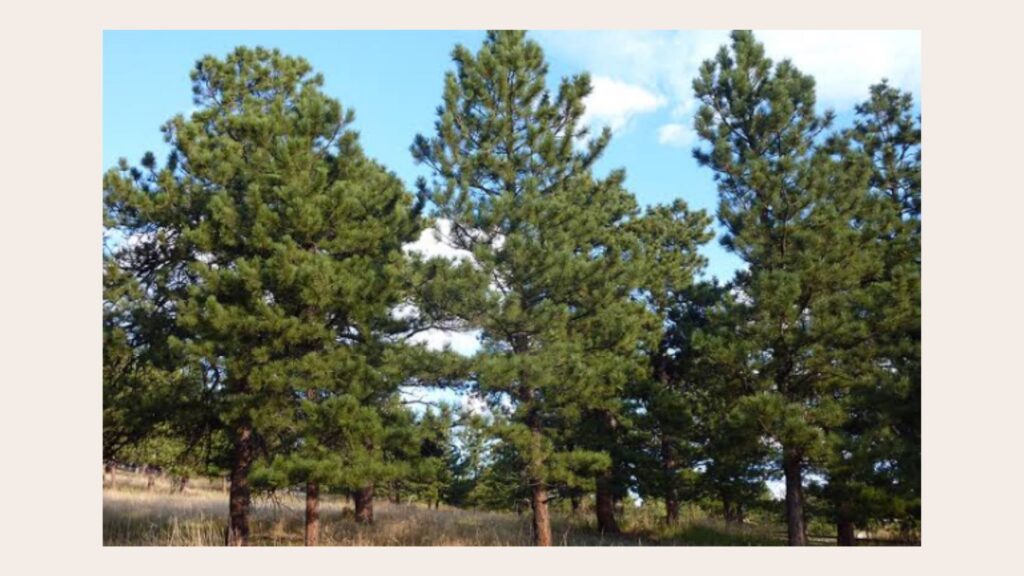
A picture of Chaparral Woody Plants
Six Adaptations of Fire Response in Chaparral Woody Plants
Some of the scrub woody plants’ features are linked to fire to support their survival and reproduction in the regions that are prone to fire. One is the ability to grow a new stem from the root after a fire, as evidenced in chamise (Adenostoma fasciculatum), a fire-adapted plant. A second example is fire-promoting seed germination; the seed of the manzanita plant (Arctostaphylos spp.) requires fire to germinate and thus is fire-adaptive. Another one is the exterior thick layer of bark that is as if to shield the most important parts of the plant from fire; the California lilac (Ceanothus spp.) belongs to fire endemics. Some plants, like the scrub oak or Quercus berberidifolia, have fire-sensitive leaves, which enable them to resist low-intensity fires; hence, it is fire-enduring.
Furthermore, some Chaparral plants like the buckbrush have serotined cones or fruits that open and release seeds only during the presence of fire, showing an element of fire-adaptation. Finally, the laurel sumac (Malosma laurina) has the fire ability to tolerate growth regeneratively. The plant rapidly grows from roots after a fire (Rundel & Gustafson, 2005). Together, each of these adaptations allows the plants in chaparral to survive and flourish in the fire-prone area of Southern California.
Traditional Resource and Environmental Management
Traditional resource and environmental management refers to indigenous peoples’ practices to use and preserve their natural resources and ecosystems sustainably. This management includes controlled burns, known as fire management, to prevent large, uncontrolled wildfires and promote the growth of fire-adapted species. Secondly, resource management involves selective harvesting practices that ensure the longevity of plant and animal populations, such as the Gabrielino/Tongva’s sustainable use of acorns, which they harvested, processed, and stored for long-term use (EE Bio 154 Lecture 2).
Thirdly, the intimate knowledge of ecosystems allows for the cultivation of plants and maintenance of habitats in ways that enhance biodiversity and productivity, reflecting the Native American land ethic that “all is interrelated” (EE Bio 154 Lecture 2). Finally, these practices embody a spiritual and cultural reverence for nature, as seen in the belief that “all is sacred” and interconnected, which fosters an inherent respect and ethical approach to environmental stewardship (EE Bio 154 Lecture 2). Traditional management techniques ensure ecological balance, resource availability, and cultural continuity.
References
EE B io 154 Lecture 2. Indigenous People & California Ecosystems
Rundel, P. W., & Gustafson, R. J. (2005). Introduction to the plant life of southern California: Coast to Foothills. Univ of California Press.