The Economic Impact of Steel Import Quotas in the U.S.: Winners, Losers and Market Inefficiencies
The Economic Impact of Steel Import Quotas in the U.S.: Winners, Losers and Market Inefficiencies
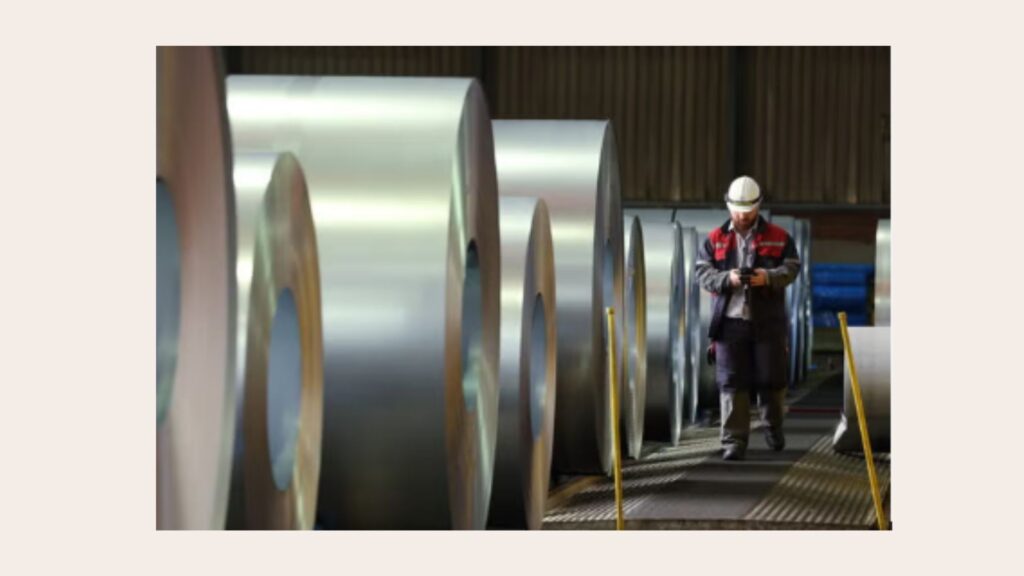
The U.S. government has long used import quotas to protect domestic industries from cheaper foreign competition. An example is the steel import quotas which gives a similar picture as that obtained with sugar.
These quotas set to protect the American steel producers from relatively cheaper competitors from other parts of the world, push up the domestic price and thus help the steel companies at the expense of other users the economy as a whole.
Economic Effects of the Quota
In the U.S., steel import quotas limit the quantity of steel that can be brought into the country, creating an artificial scarcity in the domestic market. This causes the domestic price of steel to be above that of the global market, meaning that companies reliant on the steel will have to incur higher costs. For instance, while global steel prices may hover around $500 per ton, quotas can elevate U.S. prices to $600 or more. This protection guarantees that producers of steel in the United States continue to turn a profit, do not lay-off people and continue to help stimulate relevant economic activities. But the costs are carried by the consumers: that is the business people and the ordinary citizens.
This means that quota on steel imports offer an economic trade off in the necessity of protecting the domestic producers at the expense of consumers. On the one hand, quotas save domestic steelmakers, provide thousands of jobs and guarantee steel supply with limited dependence on highly fluctuant world markets. Furthermore, higher domestic prices enable U.S. producers to earn market returns that they can invest in superior technologies for enhancing the domestic industry’s lasting efficiency.
On the other hand, the pressure that consumers feel is much heavier. Such trends drive up the cost of production of downstream industries especially in the manufacturing sector where steel is used. These higher costs directly translate to consumers paying higher prices making their purchasing power low and economic efficiency low too. The quotas also affect the overall potential of tariff receipt by the government, this is because when imported by countries within their quota limit, foreign producers sell the steel at inflated prices. In addition, the use of quotas leads to inefficiencies, which manifest in dead weight loss due to the fact that the market produces lesser than it could if only free trade were relevant.
Relevance Today
The relevance of steel quotas extends beyond the immediate price effects. Steel remains a cornerstone of global infrastructure, and its price impacts industries vital to the economy. Quotas retain a trend of high prices which affects industries and consumers to support domestic production. The trade-off between these competing priorities underscores ongoing tensions in trade policy concerning the reconciliation between the preservation of domestic employment and promoting competitiveness.