
NSSF Claims Retirement Benefit Delays Due to Verification Issues
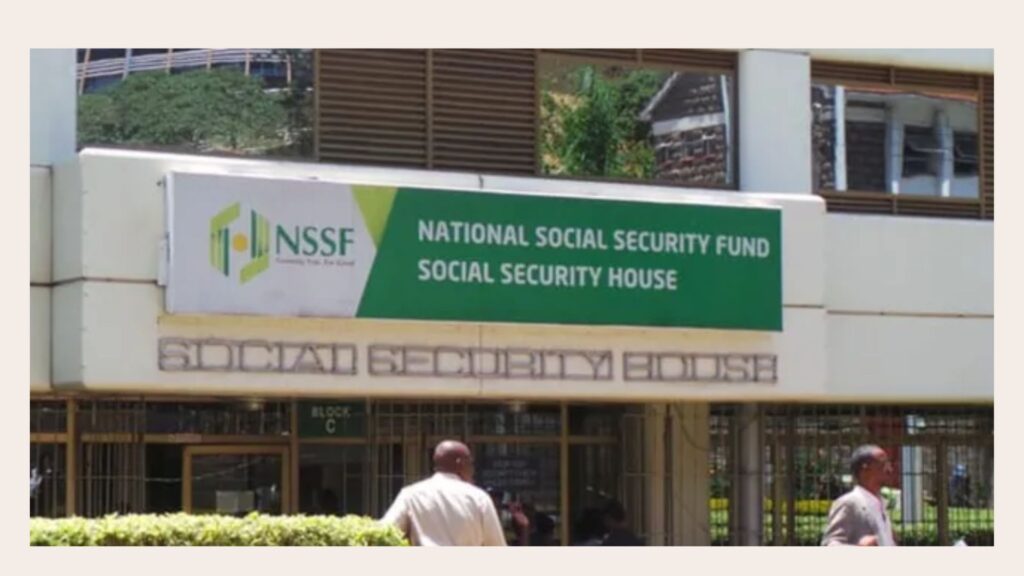
NSSF Claims Retirement Benefit Delays Due to Verification Issues
The National Social Security Fund (NSSF) has broken its silence on growing complaints from retirees whose benefit claims have stretched well beyond the Fund’s standard processing window, blaming the holdups on verification hurdles and unresolved documentation issues.
Why Some Claims Stall
NSSF clarified that there are some claims which demand additional investigation before moving forward, in response to the queries of the members. A claim’s review process is longer than the Fund’s usual review process when a claim signals a red flag, requiring additional review and/or correction before the claim is moved forward to the next step in the approval process.
The Fund’s statement came after a complaint from a member whose claim was dragging on beyond the three-week mark, which was well past NSSF’s own projections of the time it would take to be resolved, and edging towards a month of unresolved claims. That seems to be more than a one-off affair; more people have come forward expressing their frustration with how long it can take to get the cash that they are entitled to following retirement.
The Standard Timeline
Normally, the NSSF takes about one to two working days to process and pay out claims — between 7 and 14 days, NSSF says. But this turnaround will largely rely on claimants getting the right thing done at the right time. By submitting full and accurate paperwork – such as proper banking details, proper identification and a complete employment history – the claim will have the greatest chance of being processed in that timeframe.
Issues do occur, however, when any of that information is out of order, missing, or noted as an inconsistency during the review process. If that is the case, NSSF staff will stop processing the claim in order to clear up the discrepancy before the claim can move forward.
Add Untraced Employer Contributions to the Wait
In addition, to the paperwork problems, NSSF identified another key reason for the long delays: former employers who failed to pay NSSF contributions. If a previous employer did not send the deducted contributions to NSSF, there will be gaps in a retiree’s contribution record and NSSF will need to go back and find the missing records and reconcile them before it can finalize a payout. This tracing exercise can take weeks to complete and is often longer when the employers are not readily available or their records are not complete, whereas a claim should be simple.
A Faster Future: Same-Day Payouts by 2027
For some, the current process is far too slow; for the others, relief is in sight, according to NSSF and the government. Labour Cabinet Secretary Alfred Mutua has announced that the Fund is undergoing a digital upgrade, which would involve the introduction of a mobile application, with the ultimate ambition of streamlining the claims processing time to between a few hours and a single day.
During Labour Day celebrations on May 1, 2026, Mutua clearly stated the government’s plans; those who file their retirement papers within a week of retirement can be sure to receive their first payment soon after and by next year, it will arrive within 24 hours of filing.
What This Means for Members
So far, the NSSF message is one of patience and diligence. Those who are ready to claim their benefits can increase the chances of receiving their payouts quickly by making sure their identification documents, banking information and employment records are complete and accurate before they submit their claim. People who have worked for several employers should also check beforehand that their previous employer(s) have paid in the correct amounts; this is one of the most frequent causes of delayed payments.
Meanwhile, NSSF’s members will be keen to know how close the Fund can get to its promise of near instant payouts, compared to the current situation where some retirees have to wait much longer than anticipated to receive benefits they’ve contributed over the years.