
Unpaid Rent Forces South Sudan Embassy in Nairobi to Close
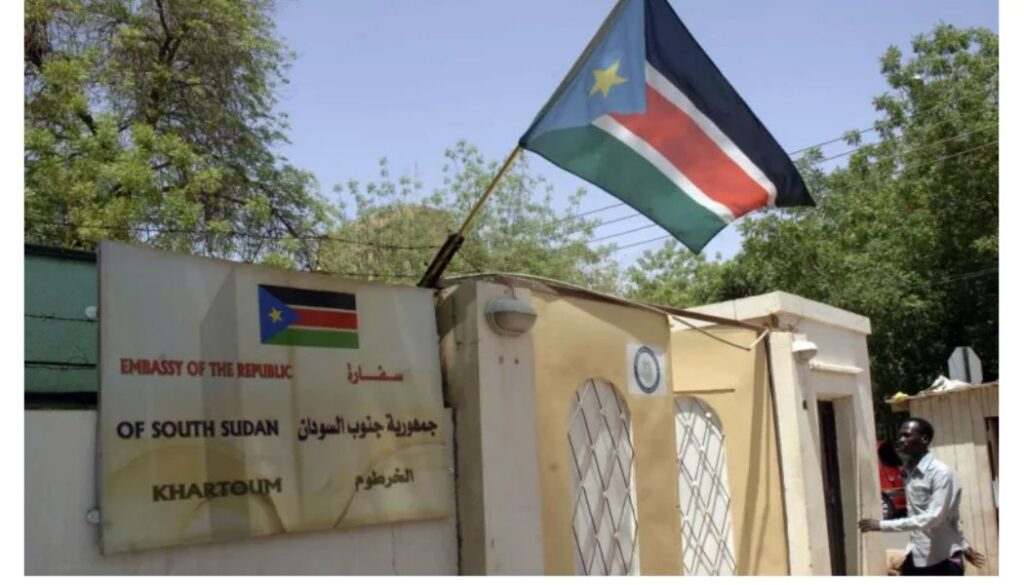
The South Sudanese Embassy in Nairobi was also closed down on alleged failure to pay rent for over one year, which literally brought operations to a standstill in the country, and left many South Sudanese citizens stuck in Kenya.
The radio Tamazuj, based in Juba, reported that the embassy that had been situated in Senteu Plaza, in the Kilimani region of Nairobi, was vacated on Friday, November 7, by the landlord who had not been paid thousands of dollars in rent.
As officials in the embassy pointed out, the South Sudanese government had been owing rent to the property owner for over a year, and it is in this regard that the property owner resorted to extreme measures.
The embassy was paying USD 9,000 per month, which is about KSh 1.16 million, which is no longer viable given the deteriorating economic condition of the country.
On Friday, the landlord arrived and closed the embassy building down. The embassy will then be shut down until the government in Juba interferes. The embassy has been living for almost one year without paying rent, and the amount of rent they pay is approximately nine thousand dollars every month as Radio Tamazuj quoted an embassy staff.
This shutdown caused the embassy officials, headed by the ambassador Anthony Louis Kon, to leave the home and go back to Juba, awaiting further instructions from the Ministry of Foreign Affairs.
The employees who had been working at the Kilimani offices were also instructed to suspend all the consular functions till further notification.
The case has attracted a lot of attention on the part of South Sudanese citizens in Kenya, with many of them depending on the embassy to provide them with important services like passport renewal, visa, travel documentation and other consular services. The mission has left hundreds of citizens in a situation where they cannot receive such essential services since the mission is closed.
Authorities in Juba have also made calls to President Salva Kiir to come and save the situation. The closure of the embassy not just embarrasses the young nation on the diplomatic front but also throws into focus the financial burden that the South Sudanese government is going through since gaining independence in 2011, as they have been facing financial shortfalls in their budget.
South Sudan, a country that attained its independence 14 years ago, has enjoyed cordial bilateral relations with Kenya, one of the earliest countries to recognize its sovereignty. Kenya has been very instrumental in the peace negotiation process, the refugees and also in the trade between the two countries.
The embassy in Nairobi was therefore closed, and this is a big blow to these long-standing diplomatic and economic relations.
Analysts observe that the development can be a feature of the current cost-cutting exercise by the Juba government.
In the year before, the South Sudanese government has been in the process of downsizing its staff and missions in some of the foreign missions in order to cope with financial limitations.
As part of larger austerity measures, officials have indicated that embassies in a number of countries (such as Kenya, Uganda, and Ethiopia) could face budget reviews or some short-term suspensions.
The fact that the embassy could not fulfill the rent raises the question of the dire financial situation the South Sudanese government is facing. Although the country is oil-rich, it still has the challenge of mismanagement, corruption, and internal conflict, all of which have weakened its economy and decreased the revenue of the government. The situation has been further enhanced by inflation and the depreciation of the South Sudanese pound, which has impacted the capacity of the state to finance its diplomatic and government services in foreign countries.
Even today, the government at Juba has not issued an official comment on the closure or a definite roadmap on how to resume the Nairobi mission.
There are, however, diplomatic reports that talks are being held to rent out a temporary office space or have negotiated with the landlord to pay the pending rent and resume operations.
At least until those measures are undertaken, South Sudanese nationals in Kenya would be recommended to seek help via other avenues, including honorary consulates or temporary services arrangements facilitated by the Ministry of Foreign Affairs.