Russian Disinformation and Lessons Learned from the Mh17 Shootdown
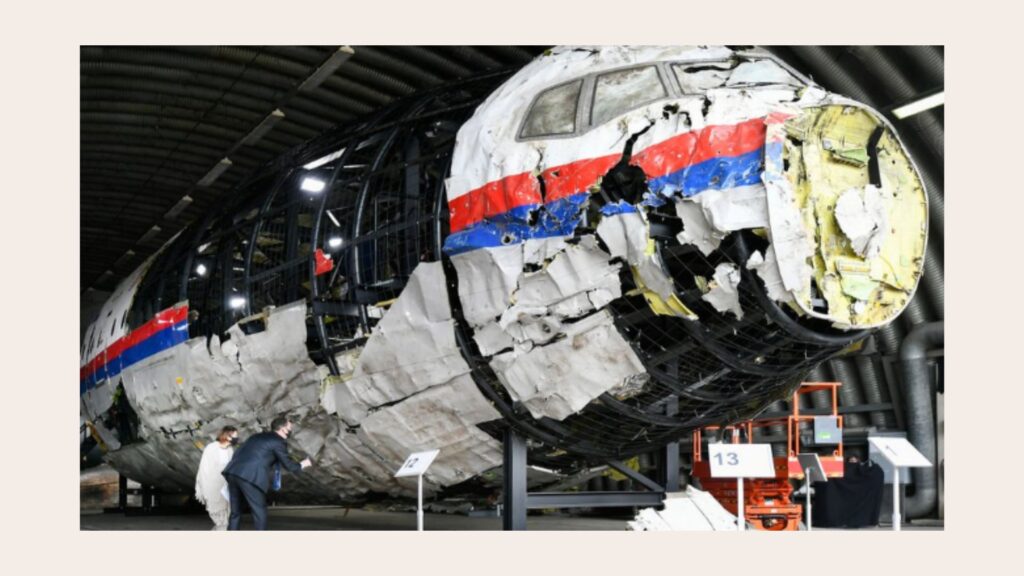
Russian Disinformation: Lessons Learned from The Mh17 Shootdown
A history of dishonesty or misleading behaviour is a potential deceiver. Dezinformatsiya, or active measures, is a significant Russian strategic instrument with historical roots in the early 20th century. It has been used for deception, thus becoming more complex to its rivals.
Critical data is received at a crucial when participants have much to win or lose. Russia called a press conference on July 21, 2014, in reaction to the JIT probe. The public knew the JIT’s decision. Russia would lose if it could not deceive the public about the JIT’s Russian guilty verdict.
Policymakers or decision-makers would have to spend or divert resources to accept new knowledge from essential resources. A separate independent enquiry would be needed to evaluate the JIT’s evaluation if Russia’s is accepted, the downing and a supplementary probe on Ukraine’s role in the flight.
The analyst would change a significant assumption or judgement by accepting the new information. The JIT must examine and reverse its ruling if the new information is accepted from the body of analysis that determined Russian guilt.
The opponent or competitor might observe its behaviour and decision-making process through an established feedback route.
Given the public attention, the JIT’s inner workings may have been confidential about the incidents. Russia may have watched JIT and the public response to Russian counterclaims.
- Russian Deception in the MH17 Shootdown
Russia needed to lie to be in a position that is righteous in annexing Crimea. The worldwide community believes Russia unjustly grabbed Crimea. To counter this narrative, Russia needed to portray itself as a neutral party that promotes balance among Ukraine and its ethnic Russian network. Erroneously shooting down a passenger plane threatens Russia’s morals and peacekeeping in Ukraine. Ukraine was blamed by Russia. After the JIT discovered a Russian operative’s Facebook posts claiming the Buk missile launcher was Ukrainian in June 2019, Ukraine, the US, and Royal Dutch Shell staged a malicious fake flag strike. This denigrated JIT stakeholders.
- Deception in 2016 US Presidential Elections
Yes. If Russia backed one US presidential contender, it would lose strategic ground. Russia’s international coverage is influenced by its perception that the West wants to undermine its strategic role and intervene. Russian hostility hinders this goal. As seen in the Brexit referendum, the Kremlin repeatedly claims to follow country sovereignty and global regulation. Russia’s claim to that role is undermined by electoral interference.
Russia exploited the 5 Ds of disinformation to divide US society. Russia invested in African-American networks to divide. It hacked and disseminated unflattering material, as with Clinton’s campaign manager John Podesta. By impersonating Americans online, Russian hackers pushed fake news and destabilized narratives through botnets.
- Key Questions for Analysts
- Is the information reliable?
- Does the claimant have hidden motives?
- Was the radar data, satellite images, and eyewitness accounts verified?
- What is Russia’s benefit or loss in admitting or denying guilt?
- Rules for Assessing Deception in Social Media Reporting
The German liaison guy “Curveball” misreported Iraqi WMDs, therefore avoid overreliance on one source is the rule. Russian disinformation tactics targeted all political parties and many institutions. If an analyst studies one group, they may need social media knowledge.