
Bridging the Digital Gap: How Simple Smartphones Empower Seniors
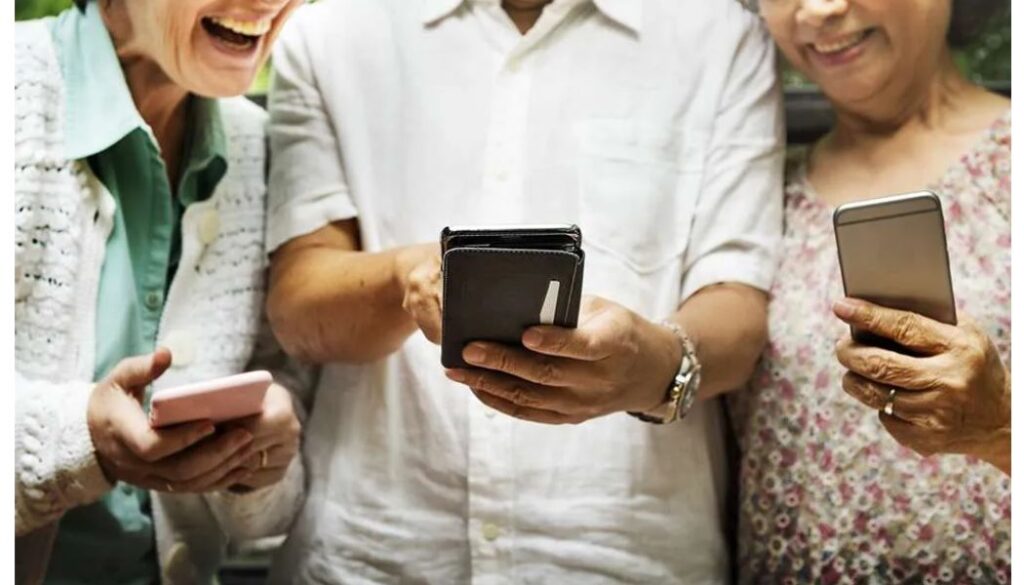
Bridging the Digital Gap: How Simple Smartphones Empower Seniors
Smartphones have revolutionized the way people communicate, shop, learn, and get informed.
But for many older adults, the experience of adapting to technology can be more overwhelming than empowering.
Most mainstream smartphones are built for people who have been adapting quickly to digital tools for years.
For older adults who are less experienced with touchscreens and complex settings, these devices often create more frustration than connection.
That gap in usability has given rise to senior-friendly smartphones — devices designed specifically to make technology easier, safer, and more accessible for older adults.
These phones are helping seniors maintain their independence, connect more easily with loved ones, and feel more confident in an increasingly digital world.
Why Standard Smartphones Fall Short for Many Older Adults
The most popular smartphones depend on sleek designs and advanced features, but often overlook the ease of use. Older users, who may not have grown up with digital technology, can get discouraged quickly by small icons, hidden settings, and complex navigation.
The problem for many seniors isn’t learning something new, but dealing with devices that were never designed for their needs.
A phone that feels intuitive to a younger user might feel unnecessarily complicated to someone just wanting to make calls, send messages, or video chat with family.
Older adults often struggle with traditional smartphones because of a number of common problems:
Problems with eyesight
Age-related vision makes reading small text difficult. Low-contrast displays and cluttered screens exacerbate the problem. For many seniors, apps are difficult to use because the buttons and menus are too small to read easily.
Hearing problems
Poor audio quality or low speaker volume can make phone calls frustrating. Seniors with hearing loss who can’t hear well may miss important conversations or avoid using the phone altogether.
Poorer Motor Control
Arthritis or reduced hand mobility can make tapping on small icons or using swipe gestures difficult. Standard devices make even simple actions like typing a message difficult.
Cognitive load
Notifications, pop-ups, and apps all running at the same time fill modern smartphones. For older adults, this constant stream of information can be confusing and stressful, especially when simple tasks involve navigating multiple screens.
A lot of seniors just stop using technology when it is too difficult to use. But this can increase feelings of loneliness and social isolation, which are already big concerns for aging populations.
What “Simple” Actually Means in Practice
A simple smartphone is not necessarily an old-fashioned or limited device.
The senior-friendly smartphones of today still have the modern features you need, like internet access, GPS navigation, video calls, and mobile apps.
Many phones for seniors get rid of the clutter of home screens with large text, simple menus, and clearly marked options. Navigation is meant to be intuitive, not confusing.
Another big plus is the big displays. High-resolution displays provide greater clarity as well, and easier-to-read text without eye strain.
Sound upgrades are just as important. Many senior-friendly smartphones feature louder speakers and enhanced sound quality for users experiencing hearing difficulties. Some devices also work with hearing aids, which makes it clearer when talking on the phone.
Another cool feature is real-time call captioning. This technology transcribes spoken conversation into on-screen text during phone calls and has the potential to help seniors with hearing loss follow conversations with more confidence.
This one feature can go a long way toward improving communication for many users with their families and health care providers.
The Safety Layer That Modifies the Formula
The emphasis on safety and support is one of the primary distinctions between senior-focused devices and mainstream cellphones. More and more of these phones are made to offer peace of mind in addition to facilitating communication.
These days, a lot of senior smartphone manufacturers offer emergency response services that are embedded right into the phone. As a result, wearables and other medical alert devices are no longer necessary.
Typical safety elements could be:
- Emergency response buttons that rapidly link users to knowledgeable, round-the-clock support staff
- Availability of on-call nurses for non-emergency medical inquiries
- GPS location sharing for family members you can trust
- Family companion apps that monitor battery life and emergency alerts
- Health support services that help with care planning and appointments
In times of stress, these services can be extremely helpful. In contrast to a typical emergency call, skilled response agents are able to stay on the line, determine the user’s location, and arrange for help in the event that the caller becomes confused or is unable to articulate the problem.
This extra security can help families feel less anxious while preserving the freedom of older family members.
In reality, who gains from this category?
Not everyone is a good fit for senior-friendly cellphones. The versatility of conventional iPhone or Android devices may be preferred by older individuals who are already at ease using cutting-edge smartphones.
For some groups of people, though, these simple phones have the potential to change their lives.
They are particularly useful for:
Seniors utilizing smartphones for the first time
People who used to find regular phones too complex
Elderly people with vision, hearing, or mobility issues
Families attempting to maintain contact with tech-averse parents or grandparents
Families who are concerned about communication and emergency preparedness will find these gadgets especially appealing due to their streamlined design and integrated safety measures.
These phones adjust to the needs of the user rather than making the elderly adjust to complex technology.
A Category That’s Finally Received with Seriousness
For a long time, phones intended for senior citizens were simple gadgets with large buttons and few features. Even if they were simpler to use, they frequently lacked the functionality that consumers required to stay connected in today’s digital world.
That is starting to shift.
A more balanced approach is provided by today’s senior-friendly smartphones. They eliminate needless complexity while granting access to contemporary apps and services. Some even connect with more general health and wellness solutions, including telemedicine platforms, fall detection systems, and prescription reminders.
The goal is now to make technology more accessible and manageable rather than to completely eradicate it.
This change is significant since cellphones are now necessary for everyday life, communication, access to healthcare, and entertainment. Devices that promote independence without causing frustration are what seniors deserve.
Senior-friendly cellphones are demonstrating that good design is more than just adding functions as technology advances. The goal is to make key functions more user-friendly for all.
These gadgets are making a significant difference every day for senior citizens who wish to stay in touch with loved ones and retain confidence in a digital environment.